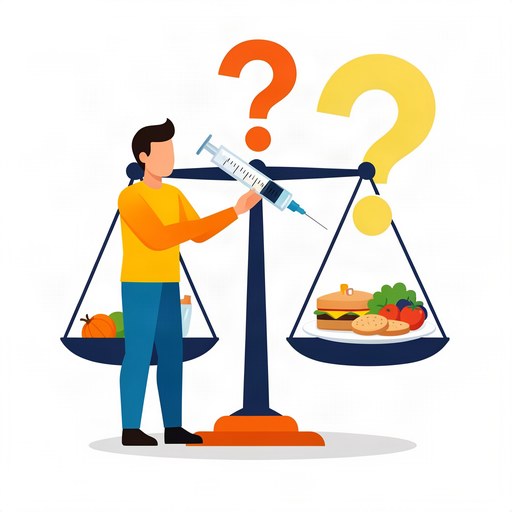
Can identical calories produce different weight outcomes?
Yes — and the 2025 Copenhagen study proved it. Volunteers ate meals matched for calories AND macronutrients, but one group's meals were ultra-processed. The ultra-processed group gained about 1 kg of body fat in just three weeks, on the same calories, with testosterone and FSH levels dropping and a plasticizer (phthalate) appearing in their bloodstreams. If you are here looking into weight management clinic, the sections below walk through the process from the first quote to the finished job.
What does the comparison table show?
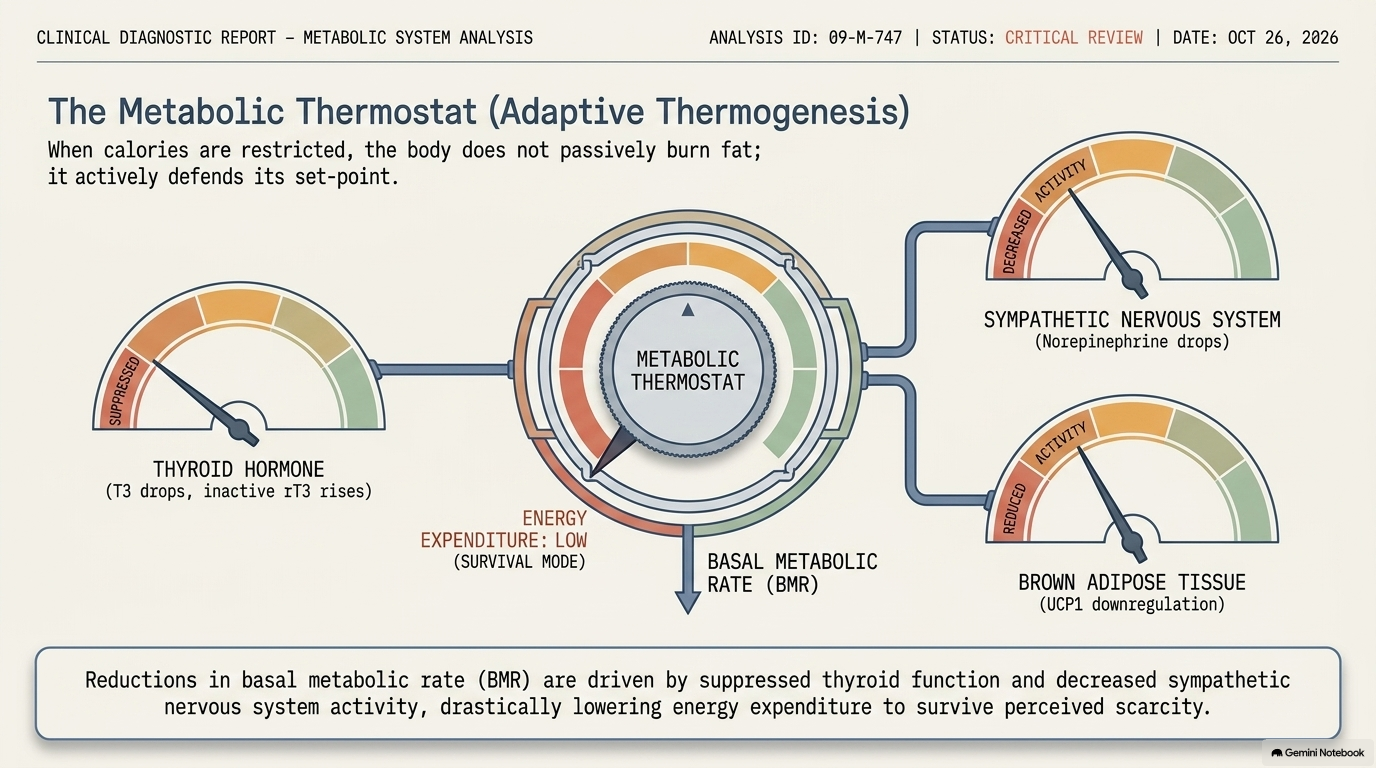
The table below is the study's core finding: matched calorie and macronutrient baseline, yet divergent outcomes in fat storage, hormone status, and chemical exposure. The mechanism is food structure — ultra-processed foods are engineered to be hyper-palatable and rapidly absorbed, producing sharper glucose and insulin spikes per calorie than whole foods.
The short version
- The 2025 Copenhagen study fed volunteers meals matched for both calories and macronutrients, but one group's meals were ultra-processed and that group gained about 1 kg of body fat in three weeks.
- The ultra-processed group also showed severe drops in testosterone and follicle-stimulating hormone, plus a plastic-associated phthalate appearing in the bloodstream.
- The dietary data show the ultra-processed group consumed roughly 508 kcal per day more, about 3,000 kcal against 2,500 kcal, despite the matched baseline.
- The stated mechanism is food structure: ultra-processed foods are engineered to be hyper-palatable and rapidly absorbed, producing sharper glucose and insulin spikes per calorie than whole foods.
- The implication drawn for GLP-1 patients is that medication fixes appetite while food quality, not the injection alone, determines body composition.
- Patients who eat mostly whole foods on a GLP-1 are said to lose more fat and retain more muscle than those eating the same calories from processed sources.
Why this matters for GLP-1 patients in Gilbert
Medication fixes appetite, but food quality determines body composition. Patients who eat mostly whole foods on a GLP-1 lose more fat and retain more muscle than those who eat the same calories from processed sources. Programs here pair medication with structured nutrition — the plate, not just the injection, drives the outcome.
The Data Table
| Physiological Parameter | Matched Calorie & Macronutrient Baseline | Unprocessed Whole-Food Diet Group | Ultra-Processed Diet (UPF) Group | Net Group Difference | Endocrine / Pollutant Mechanism | Source |
|---|---|---|---|---|---|---|
| Adipose Fat Mass Change | Identical calories and macros consumed | Maintained weight and stable fat mass | Gained approximately 1 kg more fat mass over 3 weeks | +1 kg fat mass increase in UPF group | Processing itself drives fat accumulation and alters energy storage pathways independently of caloric intake | Source Description, User Description, Inferred, —, 1, 2025 Copenhagen clinical study, 2025 Copenhagen clinical study, 2, 3 |
| Anabolic Hormone Levels | Identical calories and macros consumed | Maintained stable hormone levels | Severe drops in testosterone and follicle-stimulating hormone (FSH) | Significant clinical suppression of reproductive and anabolic hormones in UPF group | Endocrine disruption and hormonal shifts linked to ultra-processed ingredients, packaging, or plasticizer exposure | Inferred, 1, 2025 Copenhagen clinical study, 2025 Copenhagen clinical study, 2, 3, Source Description, User Description, 28, — |
| Industrial Pollutant Uptake | Identical calories and macros consumed | Low/Baseline levels of plastic-associated pollutants | High concentrations of the plastic-associated phthalate cxMINP in the bloodstream | Significant increase in phthalate and plasticizer levels in UPF group | Uptake via leaching from industrial contact, food processing, and packaging | Inferred, 2025 Copenhagen clinical study, 3, User Description, 1, 2025 Copenhagen clinical study, —, Source Description, 2 |
The dietary variables, side by side
The controlled feeding data behind the experiment:
| Dietary & Physiological Variable | Ultra-Processed Diet Group | Unprocessed Diet Group | Source |
|---|---|---|---|
| Daily Caloric Intake | Consumed ~508 kcal/day more (approx. 3,000 kcal/day total) | Consumed ~508 kcal/day less (approx. 2,500 kcal/day total) |